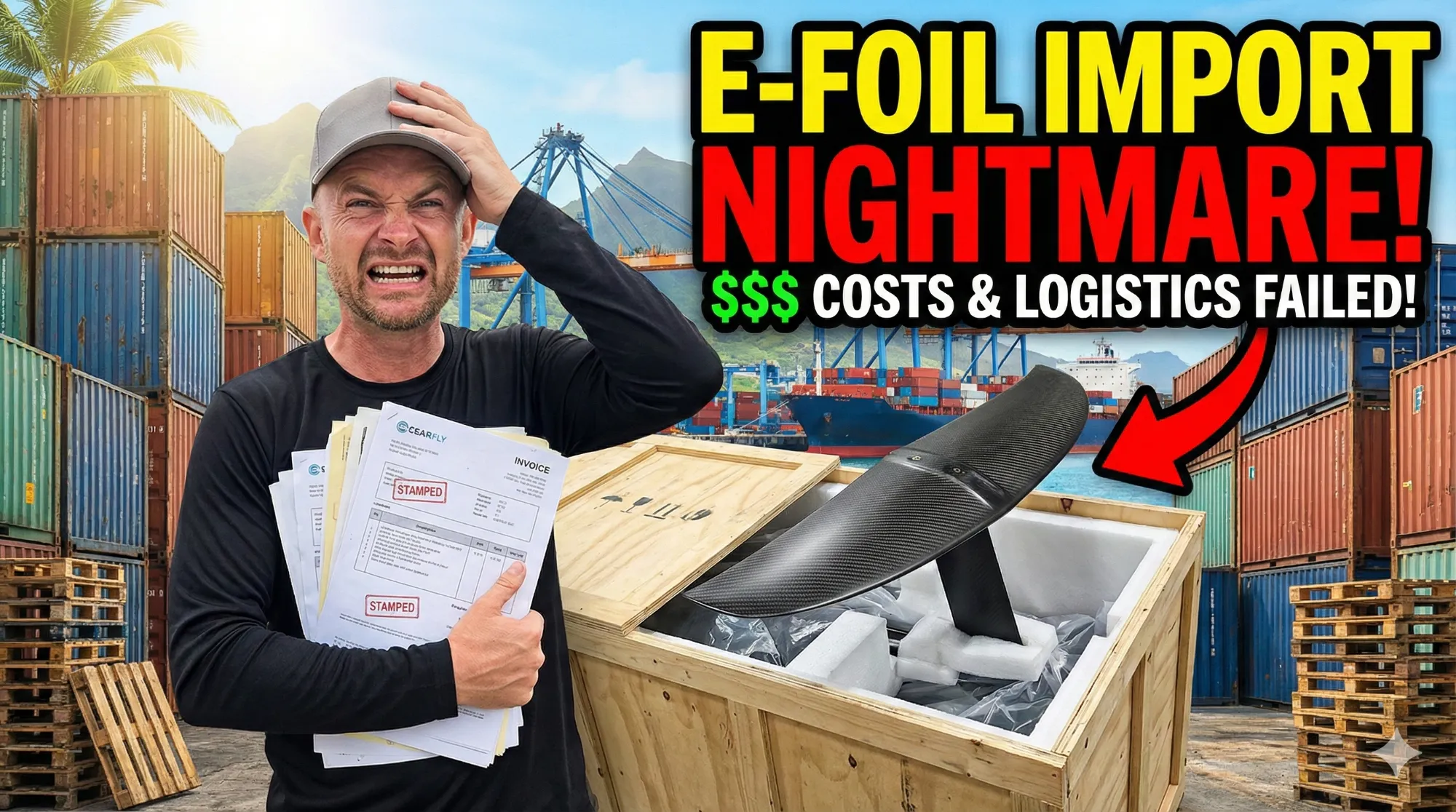
TL;DR: Importing an eFoil to Mauritius alone is a logistical minefield of hidden fees, seven-month delays, and complex paperwork—buying local is the only way to ensure you actually get on the water without the headache.
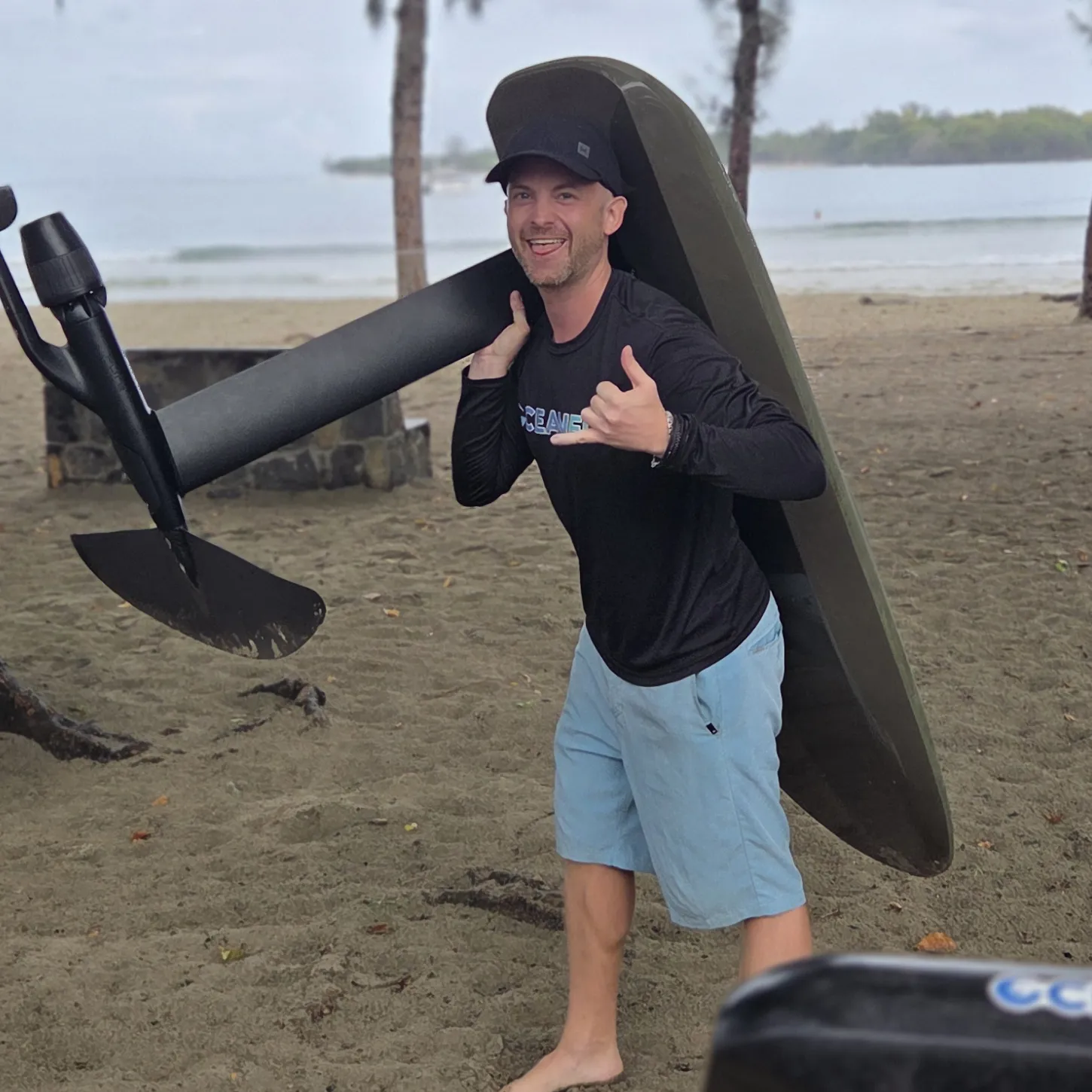
I ordered my first eFoil in November 2023. I wanted a Lift Foil from Puerto Rico. I thought I knew the costs. I was wrong. It became way more expensive and took way longer than I ever expected.
Here is exactly how it went down—and why you probably shouldn’t do it yourself.
The “Simple” Plan
I couldn’t buy directly from Lift; they only do B2B in the US. I found their partner in South Africa. They quoted me USD 1,500 for shipping. That felt huge. I’d never transferred that kind of money to a small company in Africa just hoping a board would show up months later. But I wanted to fly.
The ETA was three months. To save money, I agreed to CIF (Cost, Insurance, and Freight) delivery to the Port Louis Harbor. If I wanted “Door Delivery,” it was another USD 600. I figured I’d just pick it up myself.
Mistake number one.
The Hidden Complexity
While the board moved from Puerto Rico to South Africa, I started researching. My “fun” purchase started looking like a full-time job. I realized I needed:
- VAT (15%): Calculated on the total value (Board + Shipping + Insurance).
- ICTA Registration: The remote uses Bluetooth. In Mauritius, the Information and Communication Technologies Authority regulates all broadcasting devices. You officially need to register as an importer. Most skip this—don’t. If customs flags it, your $12k toy sits in a warehouse collecting fines.
- Tourism Authority: I checked in 2023 if I needed a skipper’s license. Back then, they hadn’t heard of eFoils. Note: We are currently working with them to define clear guidelines for private and commercial use. Stay tuned for a separate post on that soon.
The Seven-Month Wait
I tracked the container ship every day on my phone. When it finally docked, I got the news: My pallets weren’t on board. They were still sitting in South Africa.
It took another 10 weeks. Total time from order to arrival: 7 months.
The “Broker” Reality Check
I thought I’d just drive to the harbor and load the board. Wrong. The authorities started asking for things I’d never heard of:
- “Where is your Bill of Entry?”
- “Have you paid the VAT?”
- “Who is your Customs House Broker (CHB)?”
To clear customs, you need a broker. That was another USD 200. Then customs wanted a physical inspection. I had to be there in person while they brought dogs to sniff the board. X-rays, inspections, and port storage fees? They aren’t free. You pay for every minute your board sits there.
The Resume: Buy Local or Pay the Price
Yes, you can import an eFoil yourself. But you’ll pay in stress, unseen fees, and lost months of riding.
Since that first nightmare, I’ve imported dozens of boards. My advice?
- Buy stock items on the island. You can touch it, see it, and ride it the same day.
- Use a professional. Go with an importer who has the economy of scale and the contacts to ensure your board arrives on time and on budget.
The DIY Import Checklist
If you still want to do it yourself, you’ll need these documents ready:
- AU01 & AU04 Forms: Authorizes your broker to act for you.
- Commercial Invoice: Determines VAT (15%). Must be 100% accurate.
- Packing List: Weights, quantities, and HS Codes.
- EX-A Document: Export declaration (if coming from EU).
- IMO Declaration: Critical: Dangerous Goods form for the battery (Sea).
- ADR Document: Dangerous Goods certificate for road transport.
- A08 Form: Required for warehouse unloading in Europe.